2007 · MEAMs
Music and autobiographical memory
The study supports the potential of music to act as a cue for personal experiences and emotions.
Source ↗UX/UI Design / Interaction Design
Music × Photos × Memory is a UX/UI case study exploring how a time-based interface can connect albums, songs and photographs into an accessible structure for autobiographical memory.
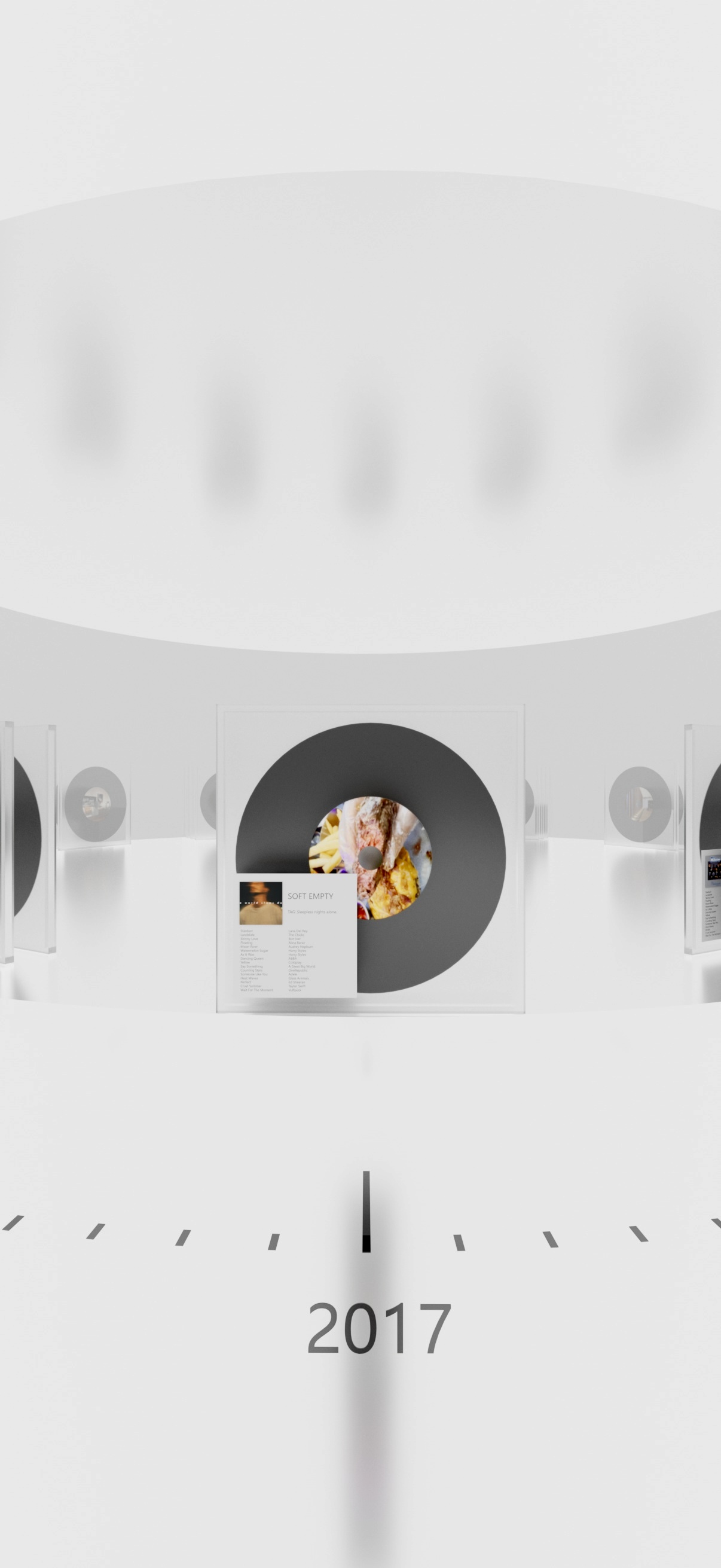
Time-based archive
The interface turns time, music and photographs into a spatial path through personal memories.
01 / Project Overview
Music is more than content we play. It can also become a way back into moments we have lived.
The project uses time as an index and albums as an organising structure, linking songs with personal photographs. Users can enter albums from different years, browse songs, reveal associated images and revisit memories through music and visual content.
It shifts the familiar music-platform experience away from playback, search and recommendation toward the exploration of personal memories.
From listening to remembering.
02 / Background & Research
A song can become attached to a particular time, person, place or emotion, yet most music products do not preserve the life context surrounding it.
Research Question
Research foundation
2007 · MEAMs
The study supports the potential of music to act as a cue for personal experiences and emotions.
Source ↗2009 · Neural architecture
The research provides evidence connecting familiar music, autobiographical memories and brain activity.
Source ↗2023 · Review
A systematic review further supports familiar music as a potential cue for autobiographical memory.
Source ↗2022 · Visual cues
Both music and images can trigger autobiographical memories, providing context for combining the two media.
Source ↗Research methodology
Interviews explored everyday listening habits, emotional experiences, connections between music and personal events, and the cues people use when recalling the past.
Listening scenarios prompted participants to reflect on associations formed across different times, places and emotional states.
Early prototypes explored ways of organising memories, connecting content and moving from music into personal moments.
Findings were organised around the relationships between music, emotion, time and personal content.
Interview data · 15 participants
Counts are drawn directly from the interview records. Categories may overlap where one participant described more than one context or type of memory.
Each point represents one participant. Point size follows age; role labels preserve the descriptions recorded in the interviews.
Explore a point or role to see its verified count and share.
Multiple responses are counted across listening contexts and memory associations, so percentages within a group can exceed 100%.
Explore a line or point to see the count, percentage and supporting participant IDs.
03 / Research Findings
The interviews, contextual co-creation sessions and prototype testing revealed how music can lead people back to personal situations, and what forms of context help those memories become easier to revisit.
Research Synthesis
Four recurring patterns translated interview evidence into a clear interaction structure for reconnecting music, photographs and personal memory.
Music repeatedly brought back particular times, places, people and emotions.
Connect each song with a specific time, photographs and personal memories.
Music and photographs were stored in separate systems, weakening their original context.
Link content people already have and reduce searching across separate platforms.
Manual tagging, pairing and maintenance made memory capture feel burdensome.
Reduce the actions needed to add, record and organise a memory.
Participants described memories that change, expand and need flexible reorganisation over time.
Organise an evolving collection through years, albums, songs and photographs.
04 / Concept Exploration
Early directions included music diaries, memory timelines, reveal and restoration metaphors, and direct music-photo associations.
Supports everyday accumulation while raising questions about the effort required for continuous recording.
Organises songs and photographs across time to express continuity between memories.
Uses reveal and restoration gestures to make the reappearance of memory perceptible.
Brings listening and visual material together within the same memory experience.
Selected direction: a time-based music memory collection.
01
Connect music, time, photographs and personal content with a low-effort association model.
02
Use rotation, selection, browsing and expansion to make memory exploration participatory.
03
Support ongoing organisation through time indexes and album collections.
Balance
Balance expressive spatial interaction with the clarity required for everyday use.
05 / Interaction Framework
Four connected actions move from a point in time to the photographs associated with a song.
Rotate through the timeline and choose a year.
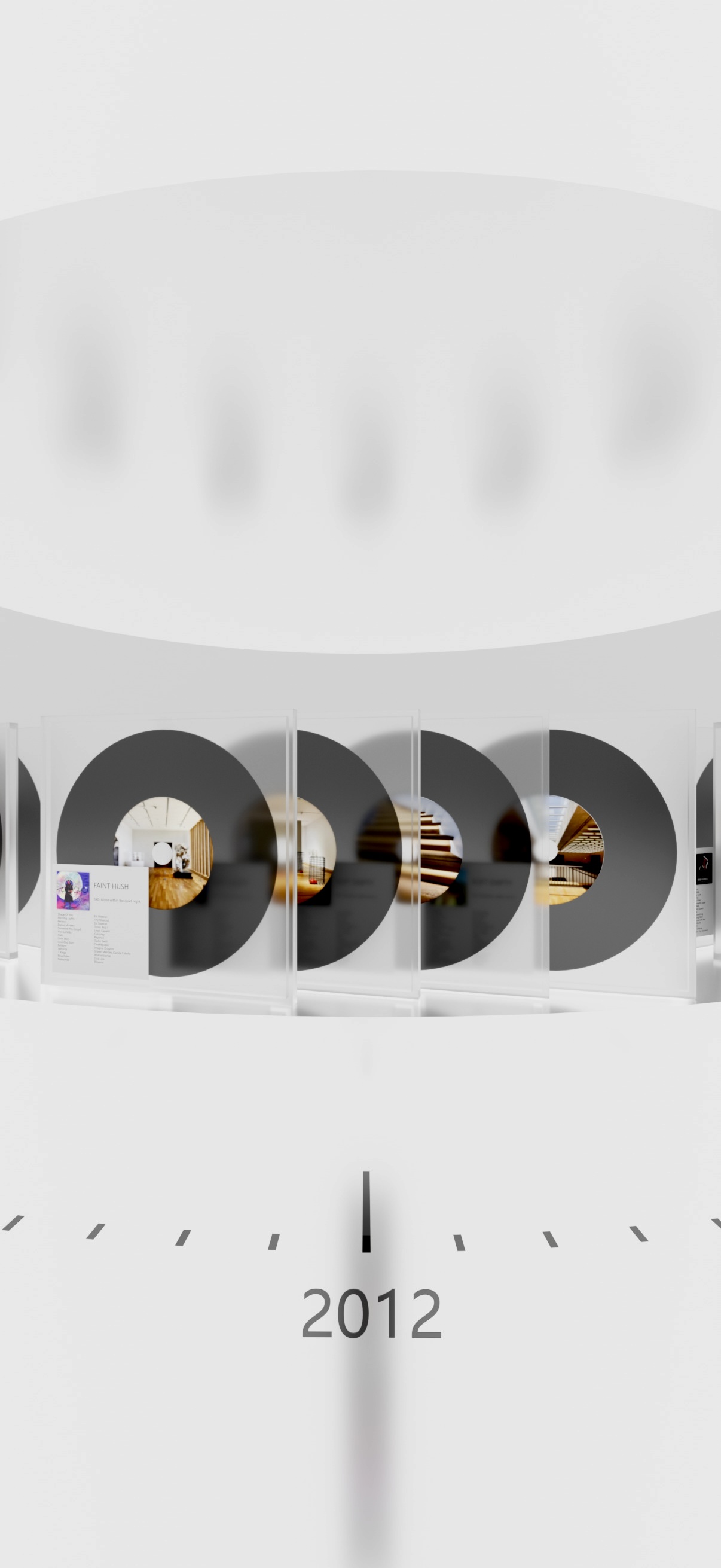
Open the selected year to reveal its albums.
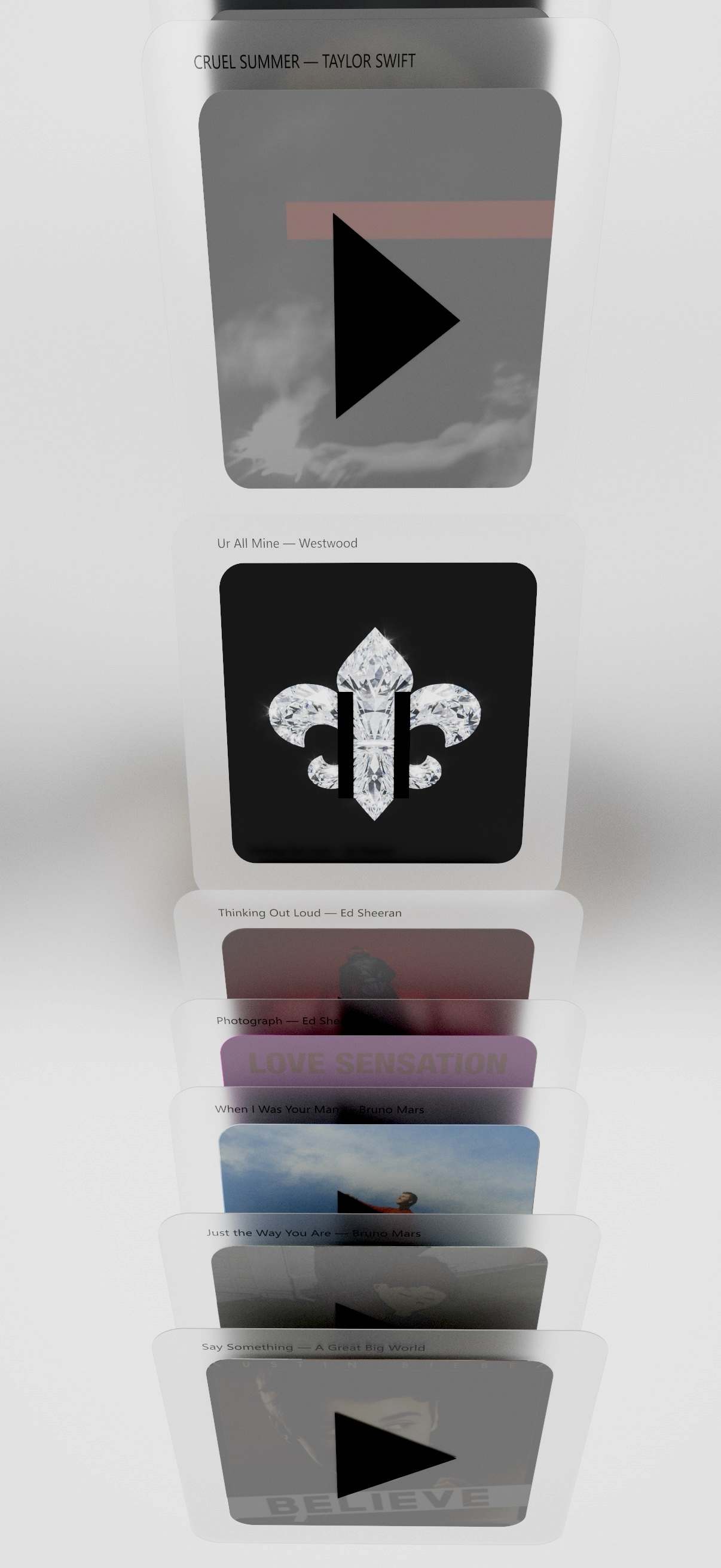
Browse the album and select a song.
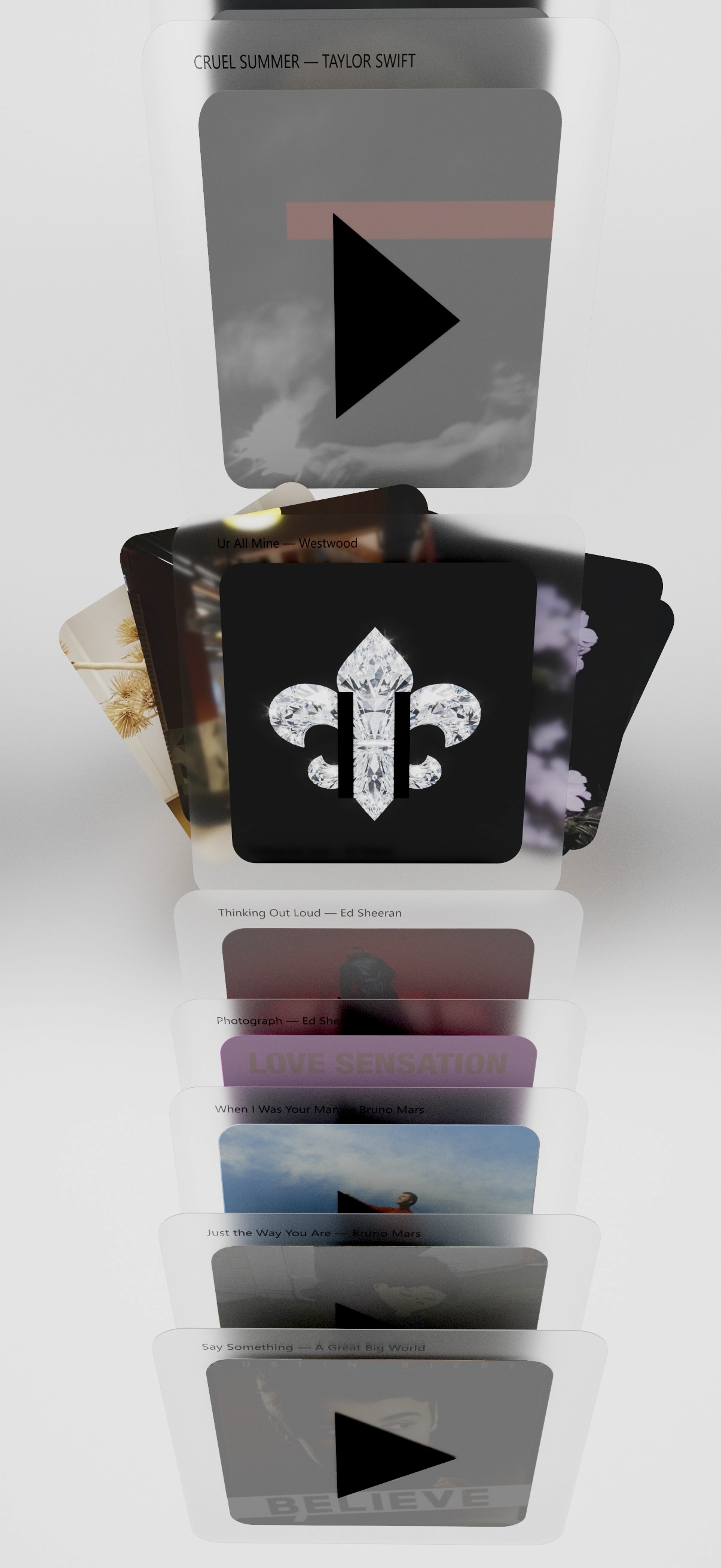
Reveal the photographs connected with the song.
Memory Experience
The result is the relationship created across time, music and photographs. It is the outcome of the four-step path rather than a separate fifth interface.
06 / Visual & Spatial Design
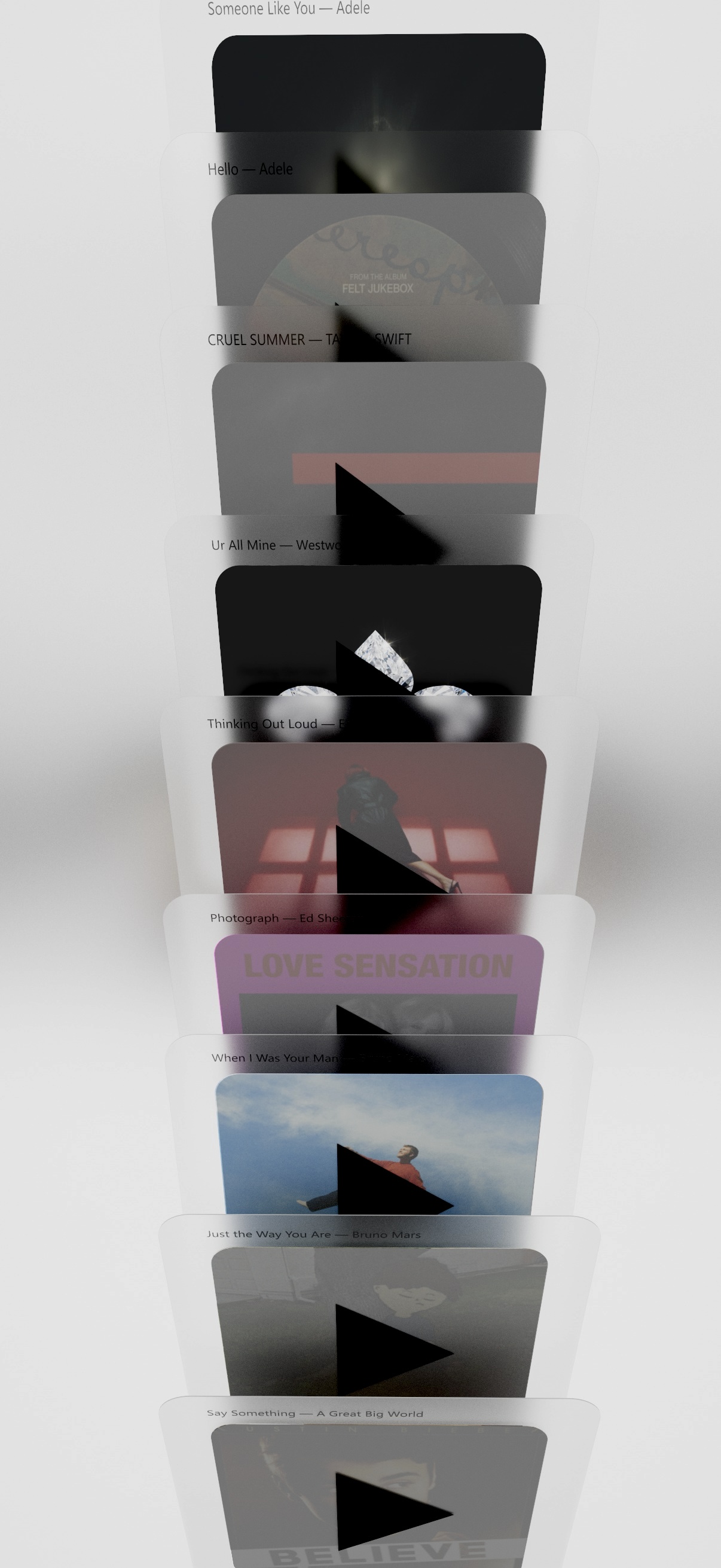
Transparent material, records, circular time structures and layered cards give digital content the spatial qualities of a collection.
Navigation
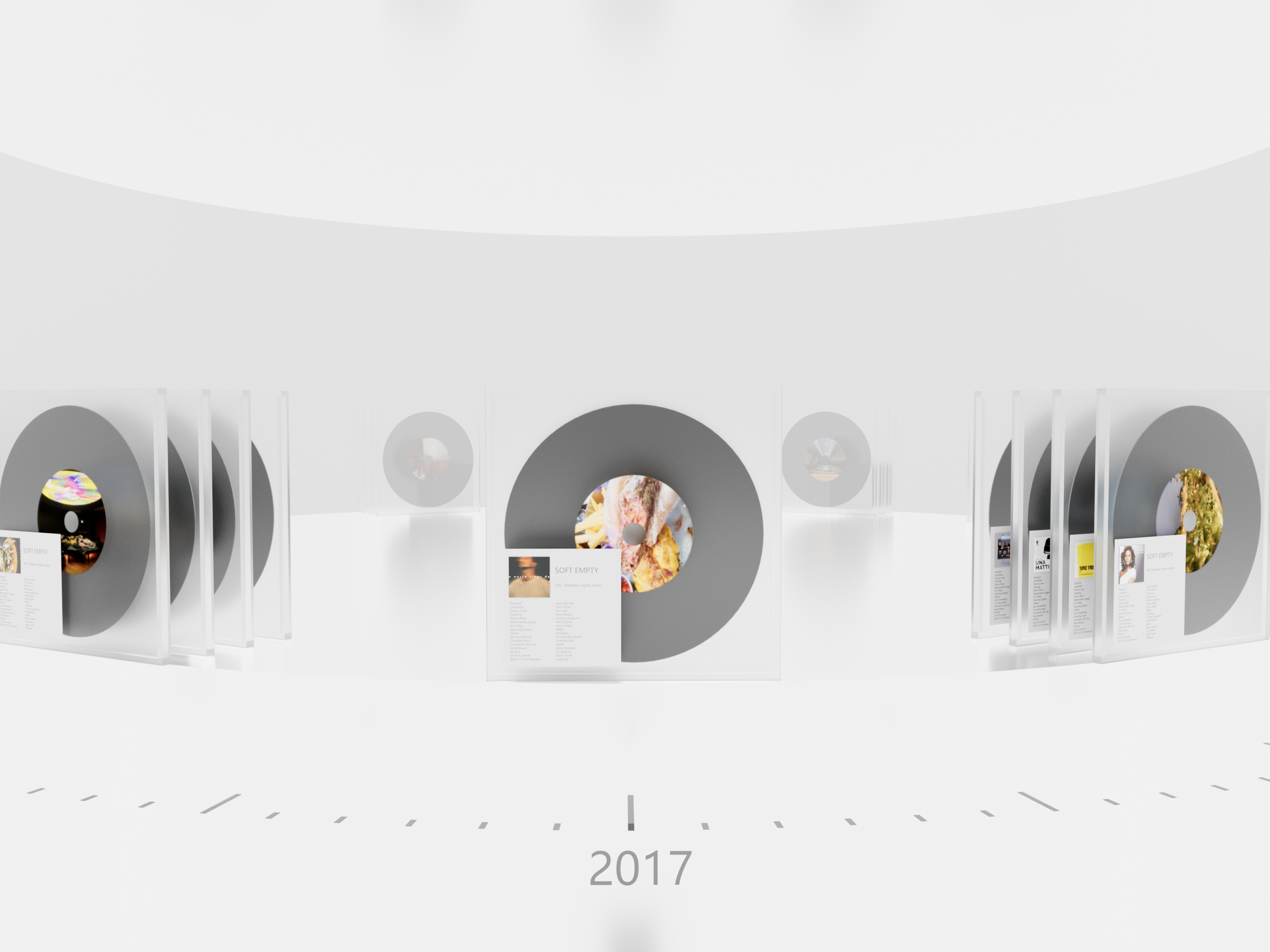
A circular structure creates a continuous spatial index across different years.
Collection
Clear acrylic cases retain visual depth while reinforcing the idea of music as a personal collection.
Depth
Depth, occlusion and scale express continuity while keeping the active song visible.
Reveal
Photographs fan outward from a layered state, creating a gradual transition into visual context.
Design Exploration & Iteration
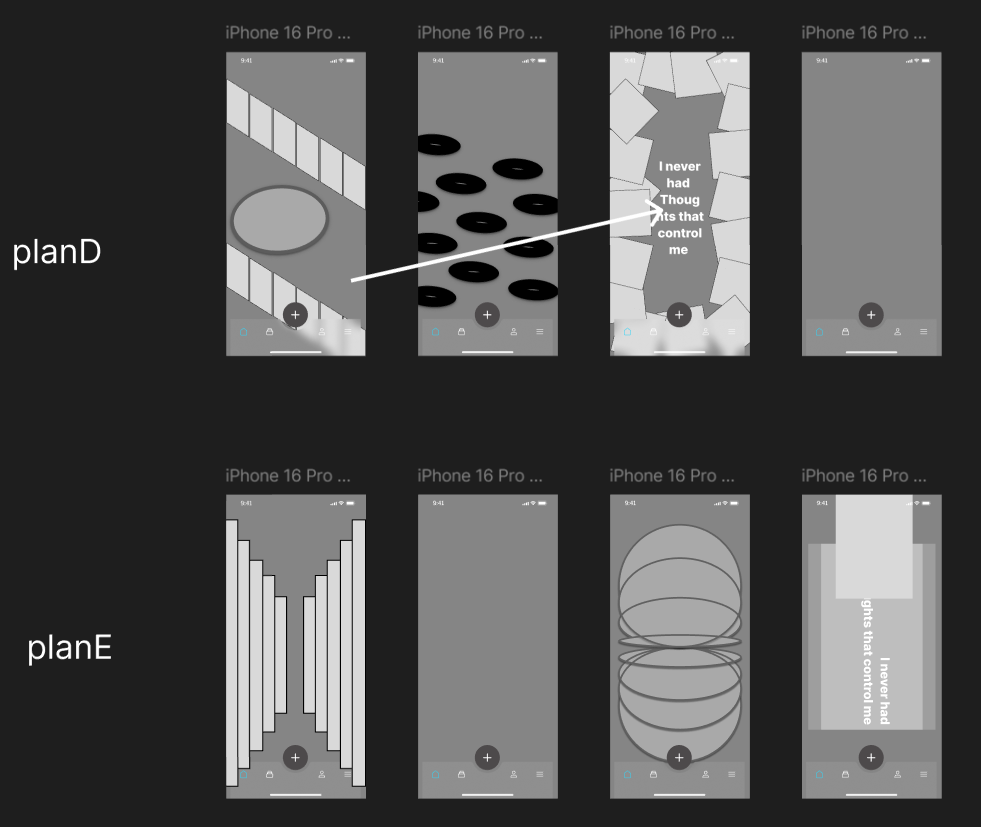
Early sketches compared Plans A–E, moving between stacked albums, scattered photographs, circular records and text-led interfaces. The studies were intentionally broad: they tested how people might enter, browse and expand a memory collection before the project had a fixed visual system. A later flow clarified how album, track and photograph states could connect.
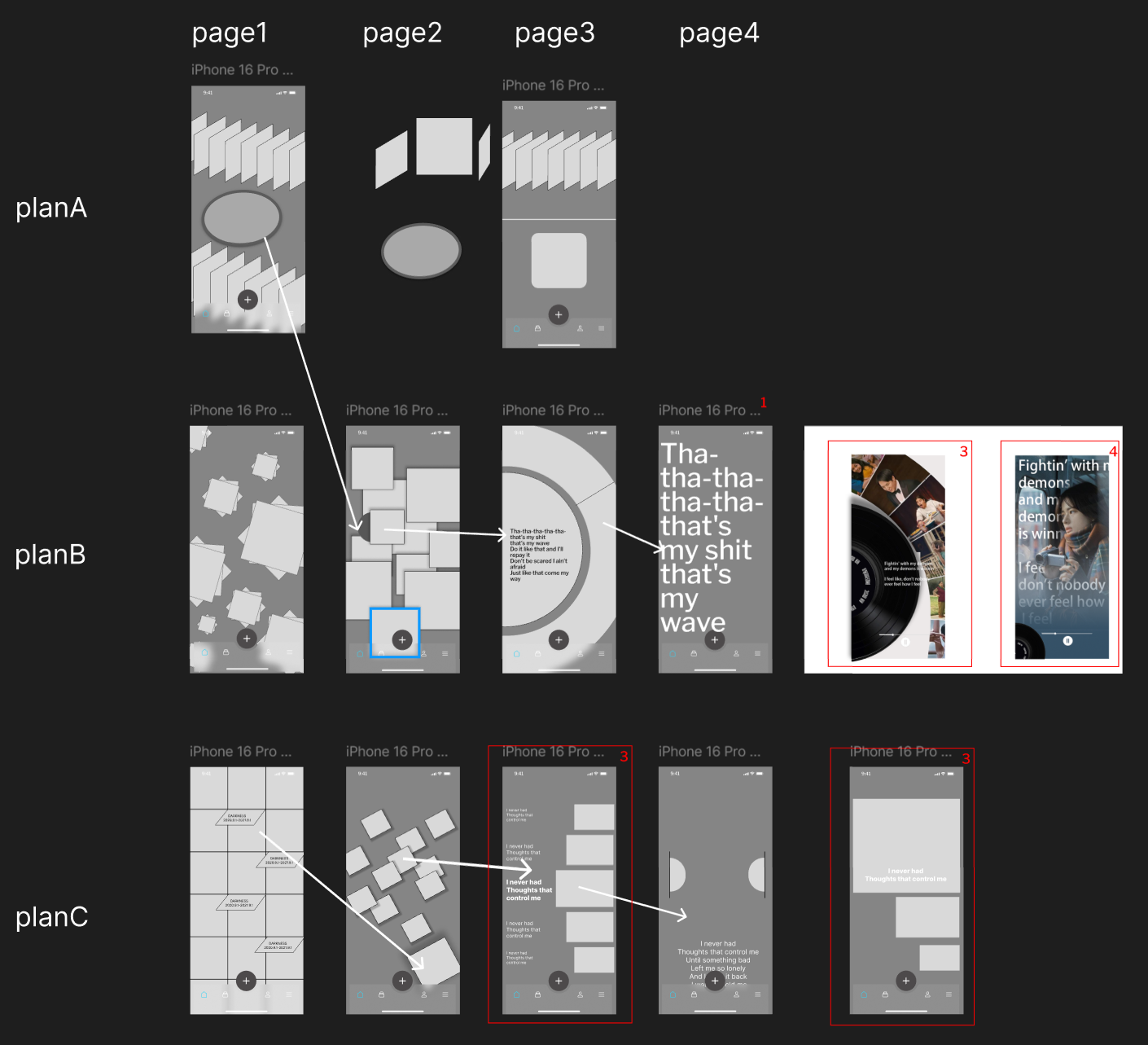
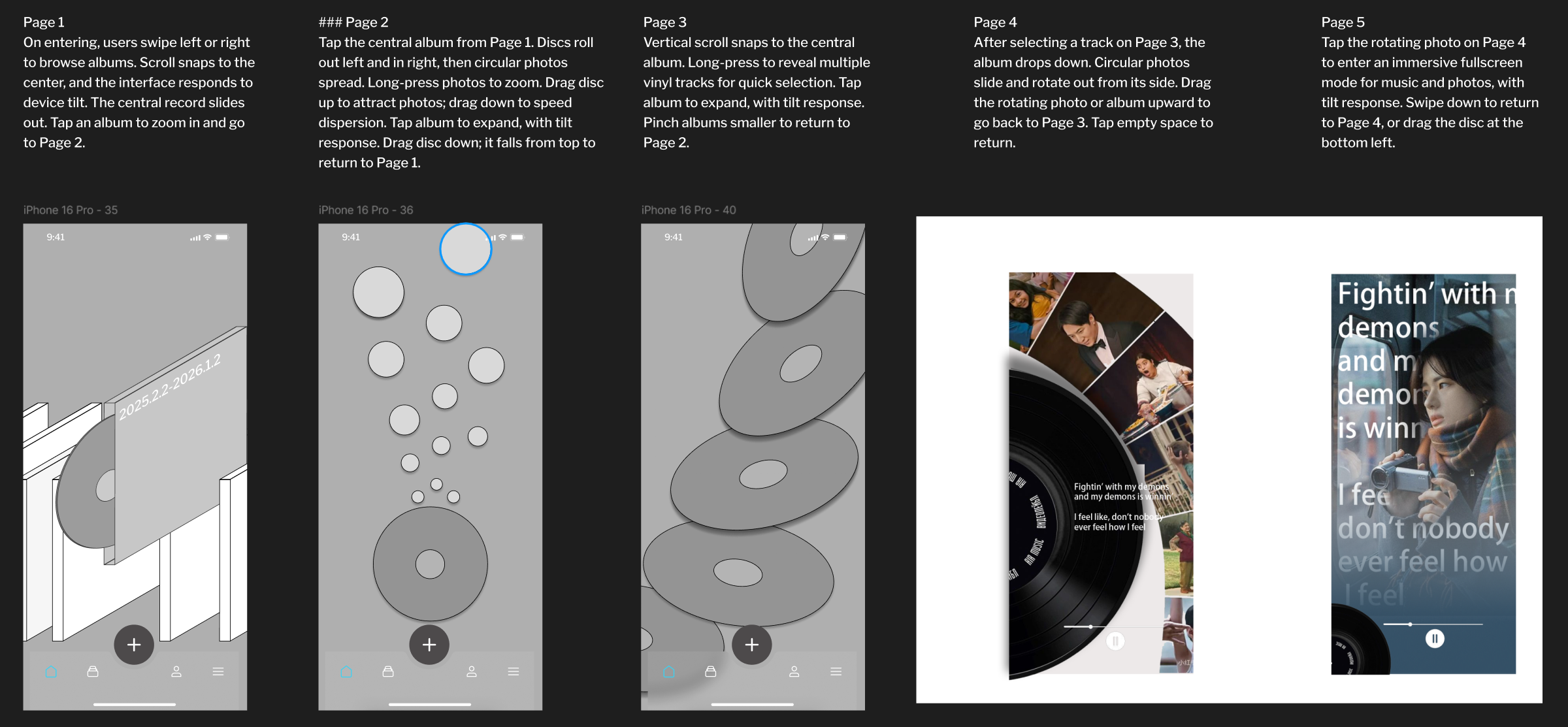
A disc-player interface introduced a recognisable music object, but repeated Page 2 studies made the experience feel heavy, rigid and too traditional. Scheme 01 then used C4D to test three-dimensional album arrangement and expansion. A separate Gemini inspiration video extended the motion exploration, yet the result still prioritised spectacle over the memory relationship the project needed to express.
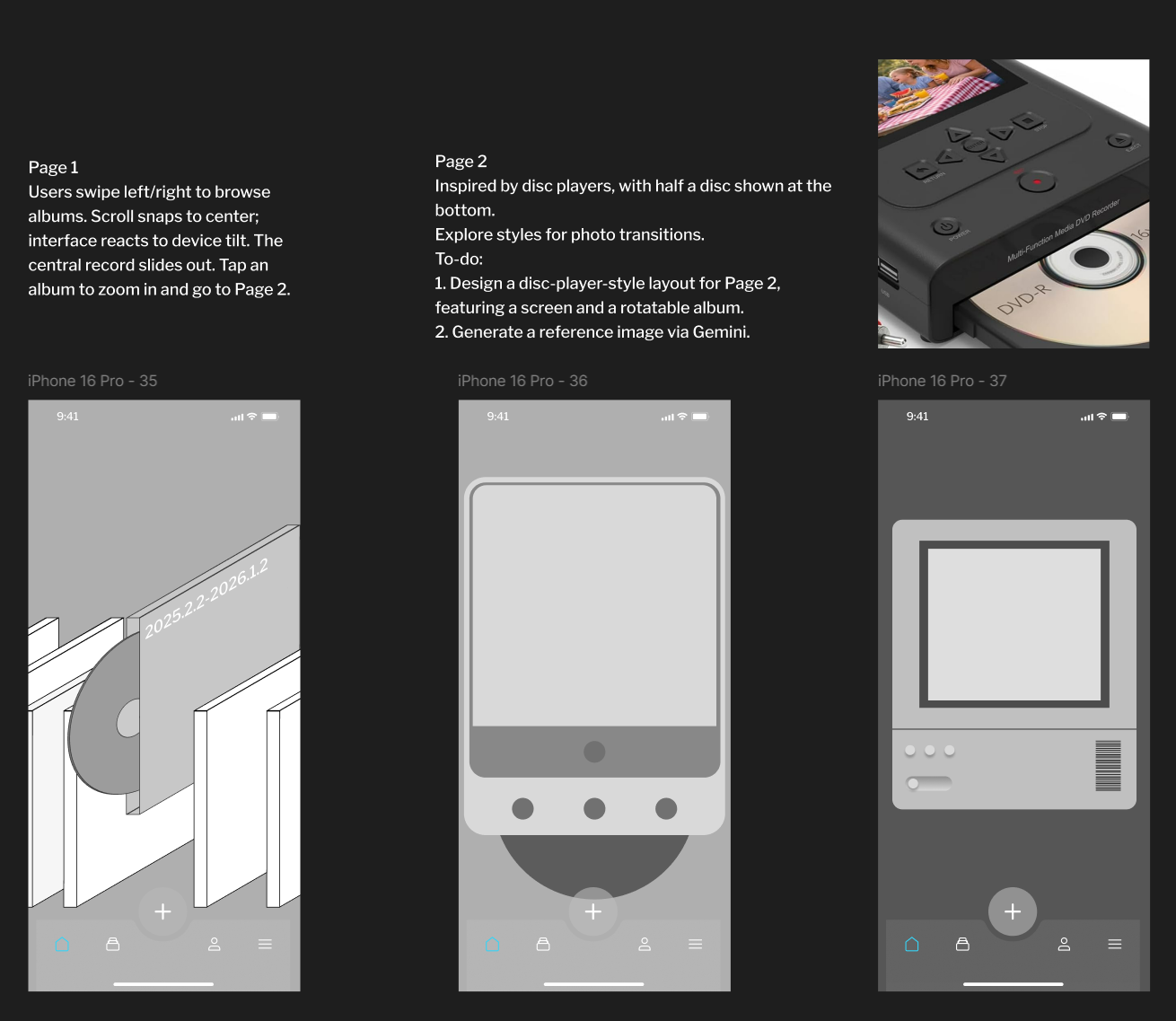
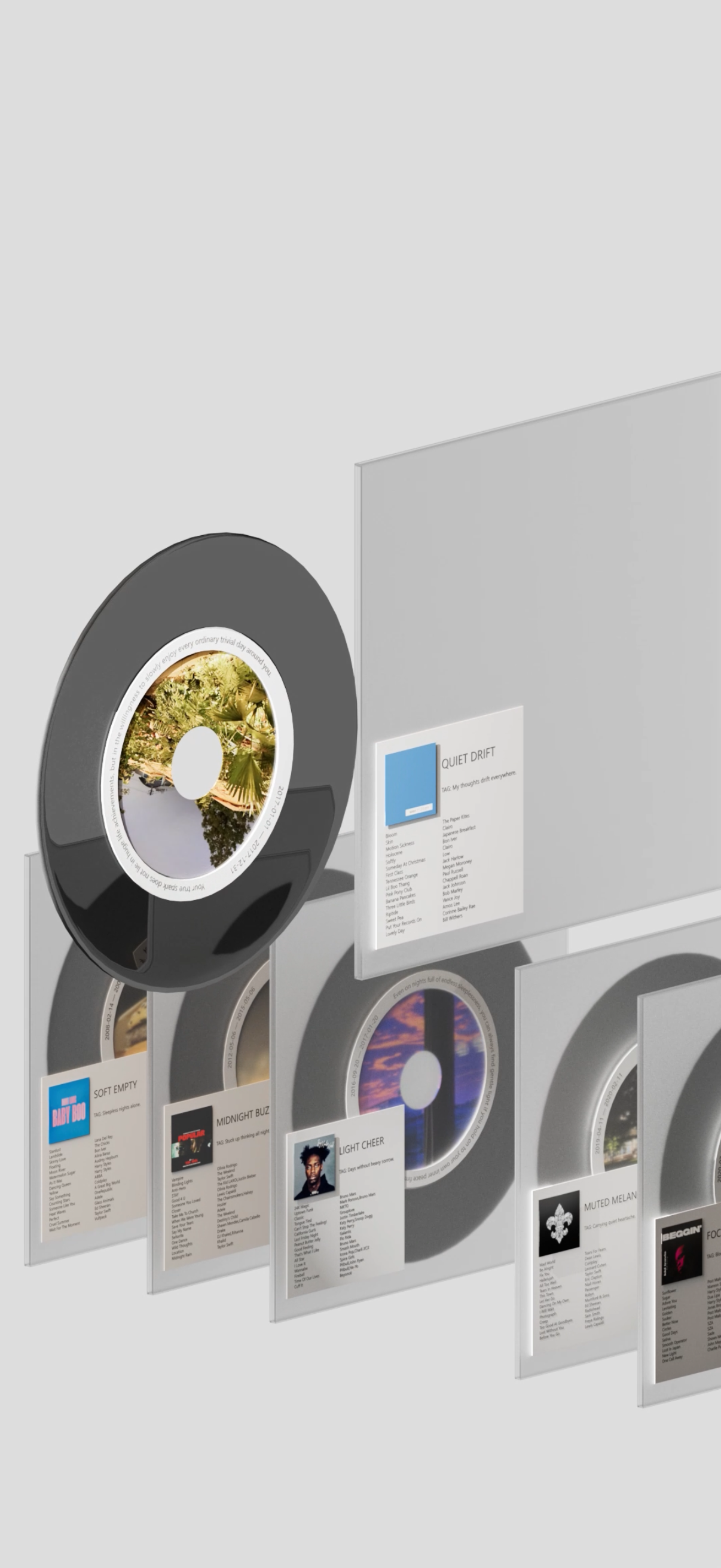
The final direction shifted attention away from a literal player and towards the relationship between year, music and personal memory. A circular timeline became the entry point, while albums and photographs occupied a shared spatial system. The interface now uses the familiar form of a record without allowing the object itself to dominate the experience.
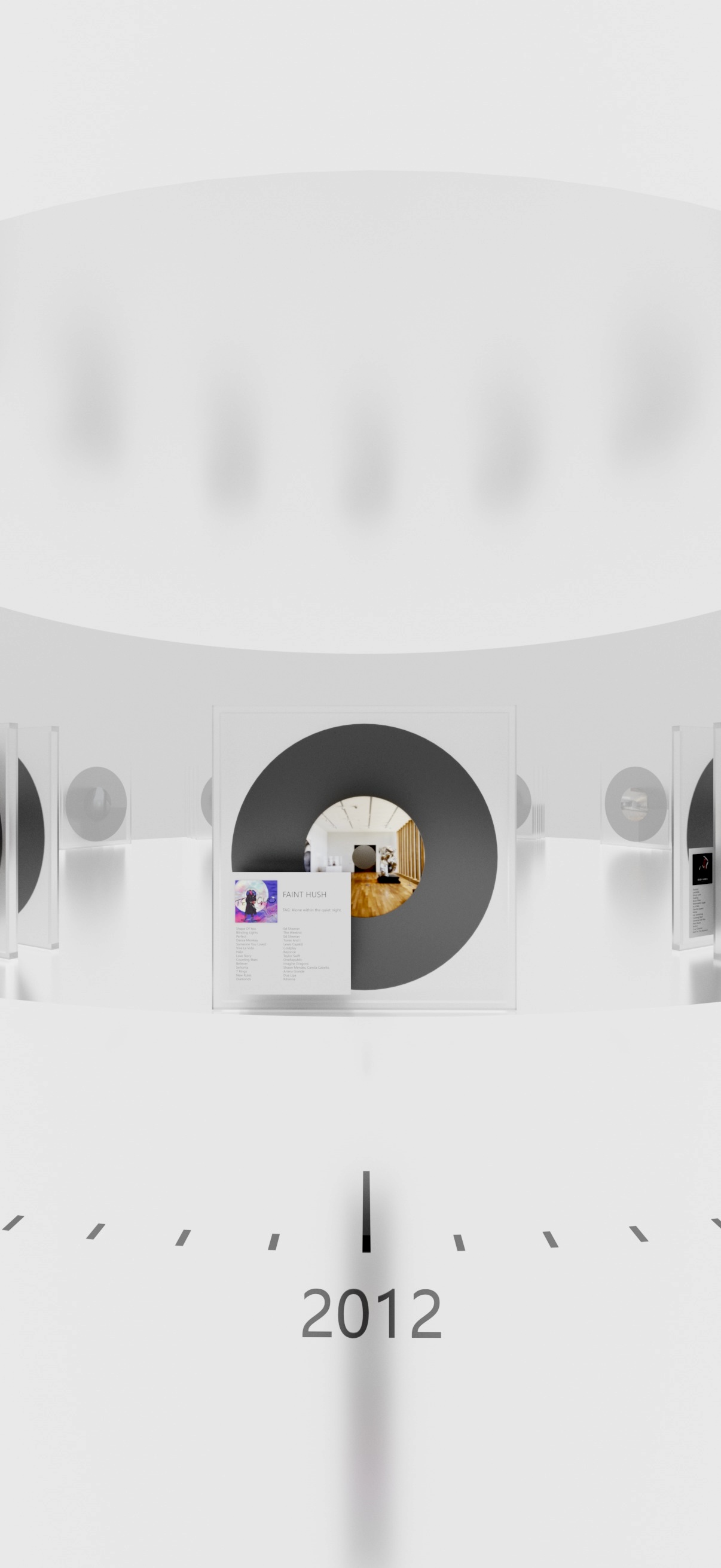
Tablet system views
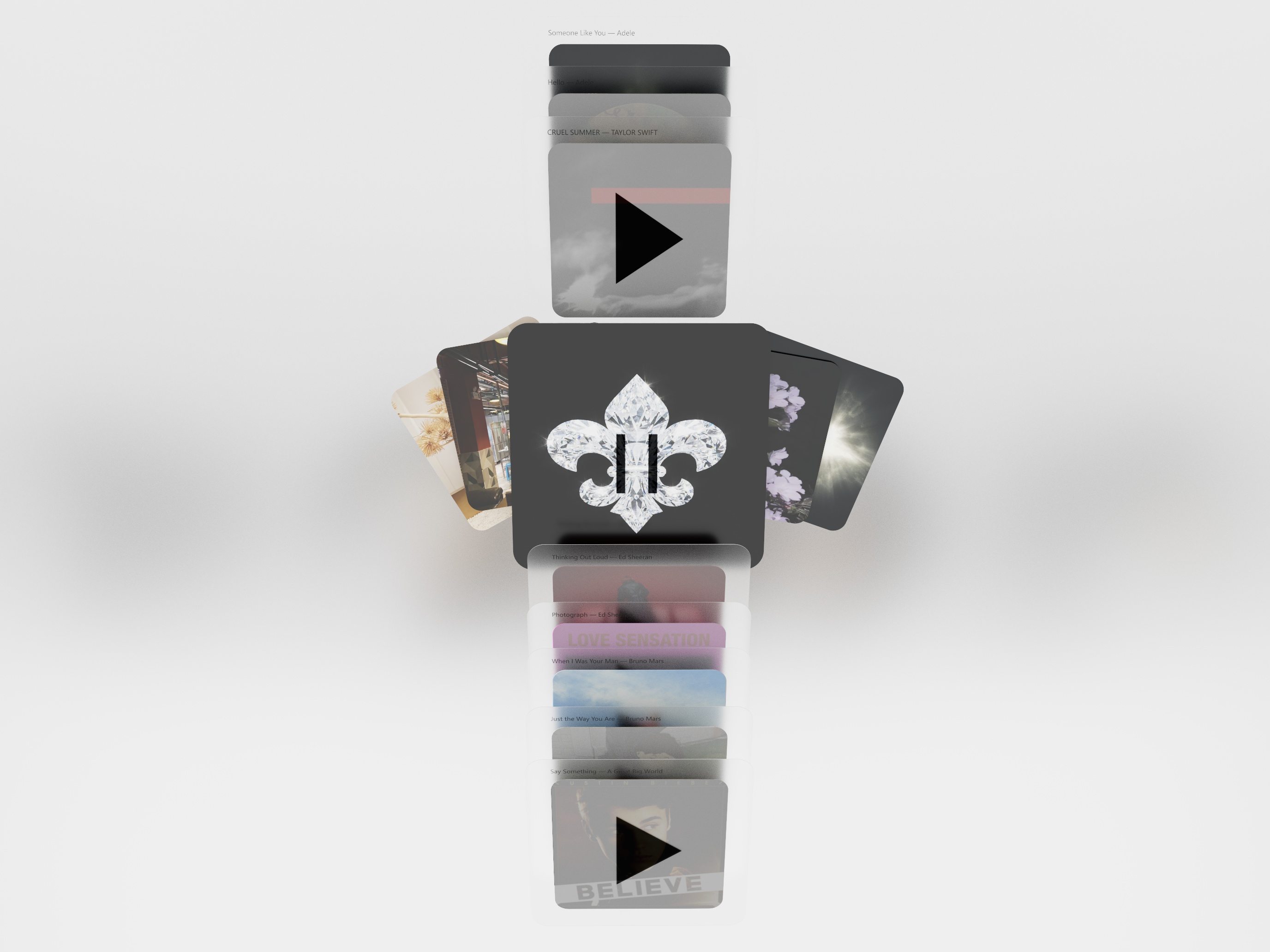
These renderings show the song, photograph and album systems across the tablet interface.
07 / Final Experience
The experience moves from year to album, from song selection to associated photographs, and finally into a focused memory image.
Interaction Walkthrough · Steps 01–07
Select a year to enter its album collection.
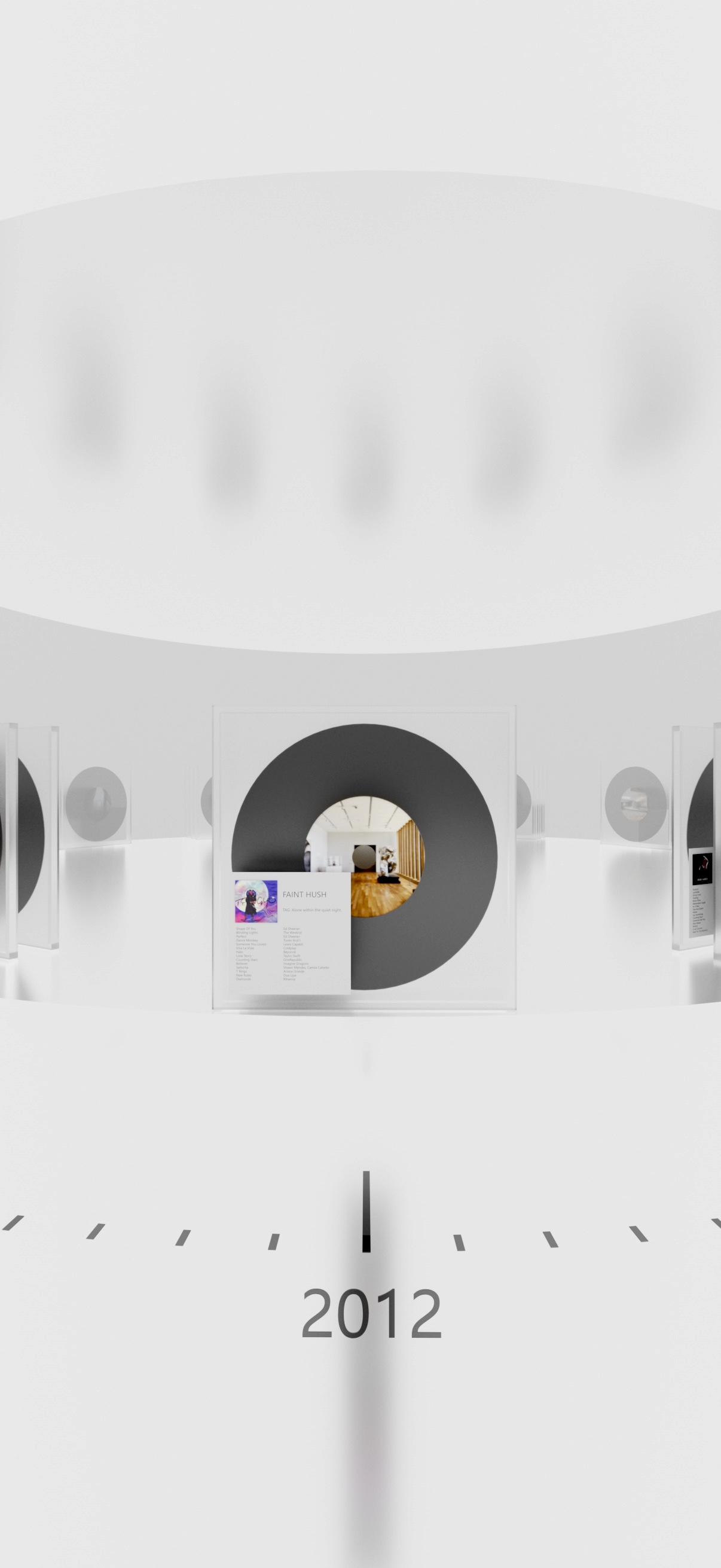
Select an album within the chosen year.
Open the album to reveal its music collection.
Move through the layered sequence of songs.
Select a song as the entry point to its memory.
Reveal the photographs associated with the song.
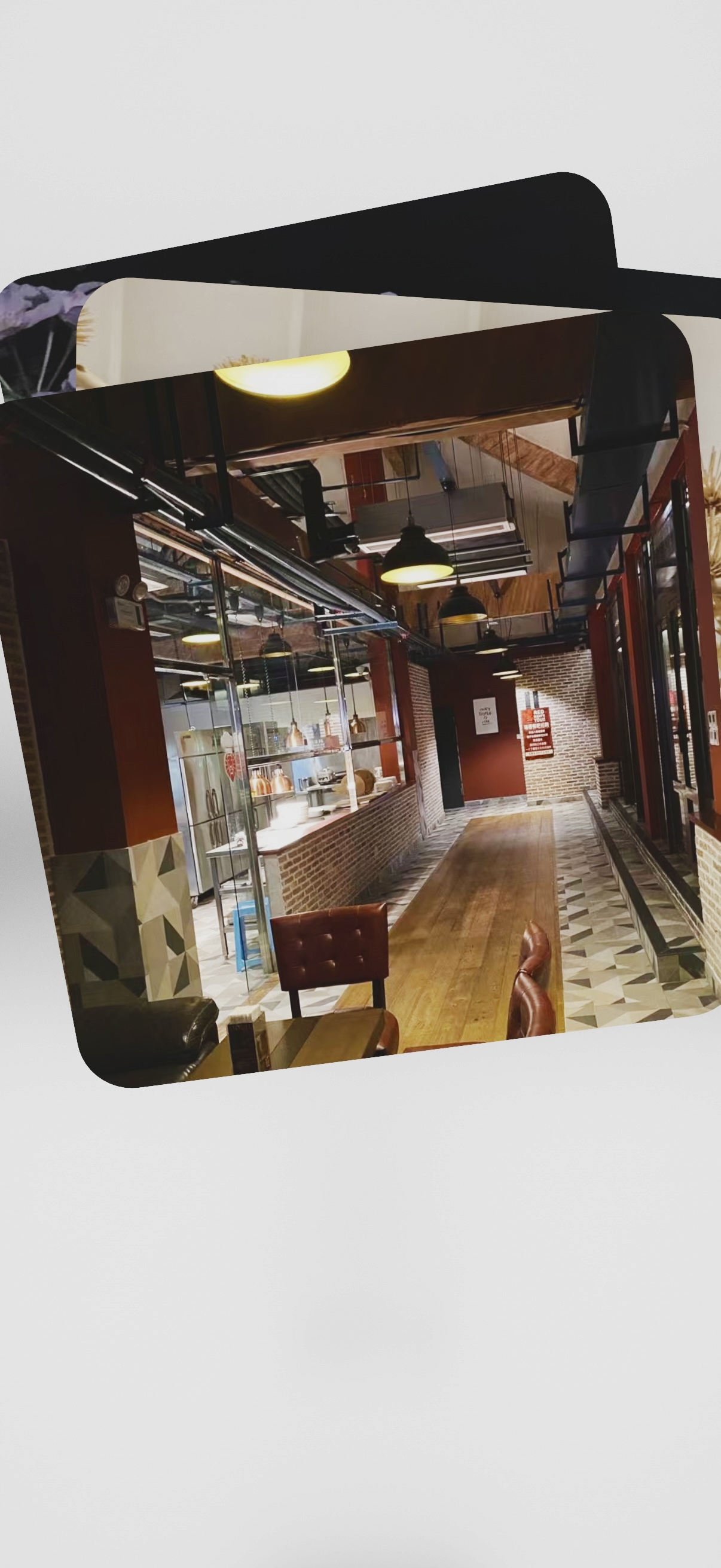
Bring the selected photograph and music together as one focused memory.
The walkthrough ends with a focused memory experience, completing one continuous path from time and music to its photographic context.
08 / Reflection
The project does not aim to create a more efficient music player. It explores another role for music: a medium for accessing personal memories.
Through research, concept exploration and interaction prototyping, the project organises fragmented music and photographs into a time-based memory system. Records, transparent materials and spatial layering make its content relationships more tangible.
Further work needs to examine the balance between expressive interaction and everyday clarity, as well as how people might add, edit and manage an expanding personal archive over time.
Music can be a way back to moments we have lived.